
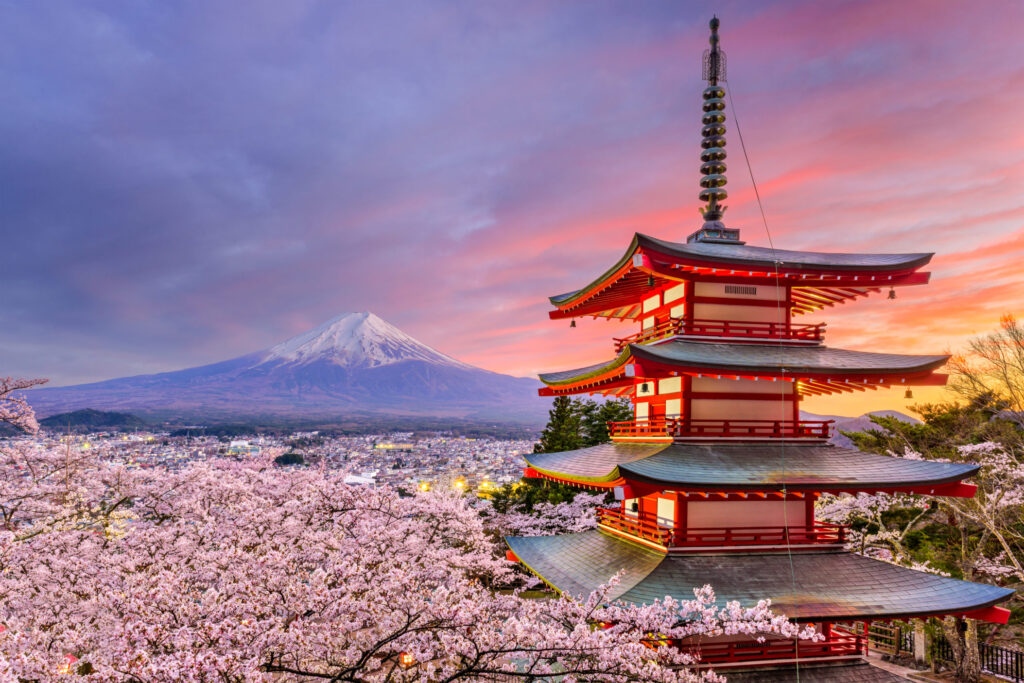
What It Is Really Like to Travel Through Japan
Japan is one of those places that reveals itself gradually.
You arrive expecting efficiency, culture, and incredible food. And all of that is there. But what stands out more is how quickly the experience evolves as you move through the country. Each destination feels distinct, and just as you settle into one rhythm, the next place shifts your perspective again.
Over the course of 22 days, traveling from Osaka to Tokyo with several stops in between, what stayed with us most was not just where we went, but how the journey unfolded.
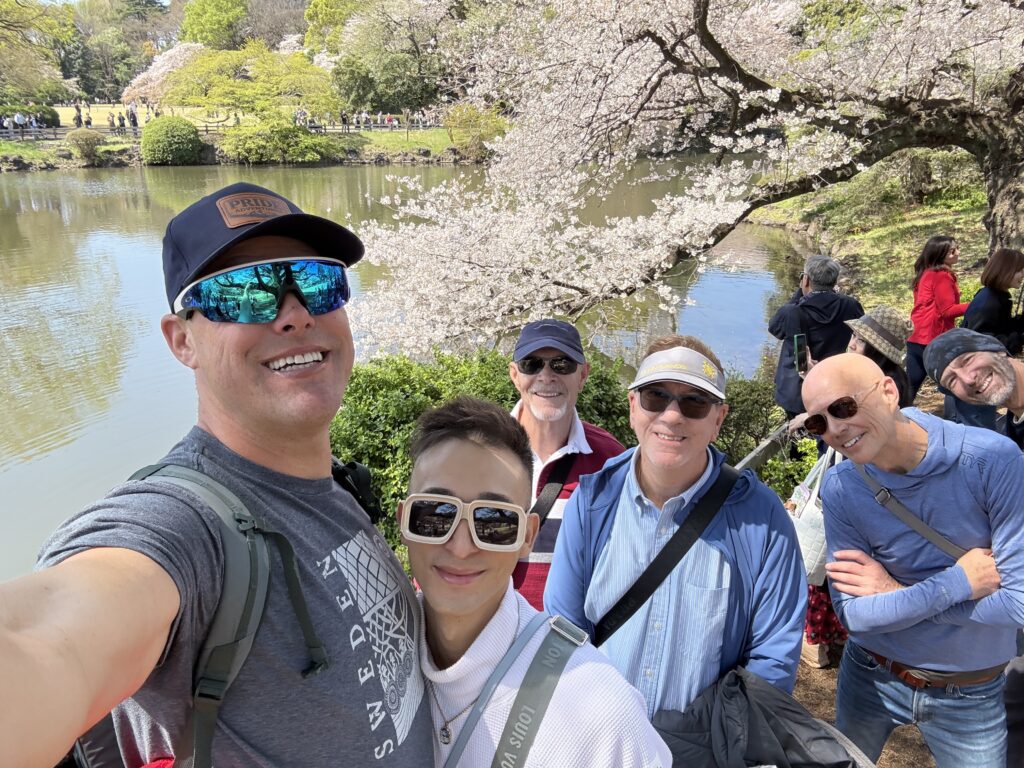
This experience was part of an LGBTQ+ group trip with California Gay Adventures, which added another layer through shared moments, connection, and a sense of community along the way.
🎥 A Look at the Journey
Before getting into the details, this video captures the overall feel of our experience traveling through Japan with Pride Adventures and California Gay Adventures.
[ INSERT TRIP VIDEO HERE ]
It is the energy, the movement, and the moments in between that are hardest to explain and easiest to understand when you see them.
Our Route Through Japan and Why It Works So Well
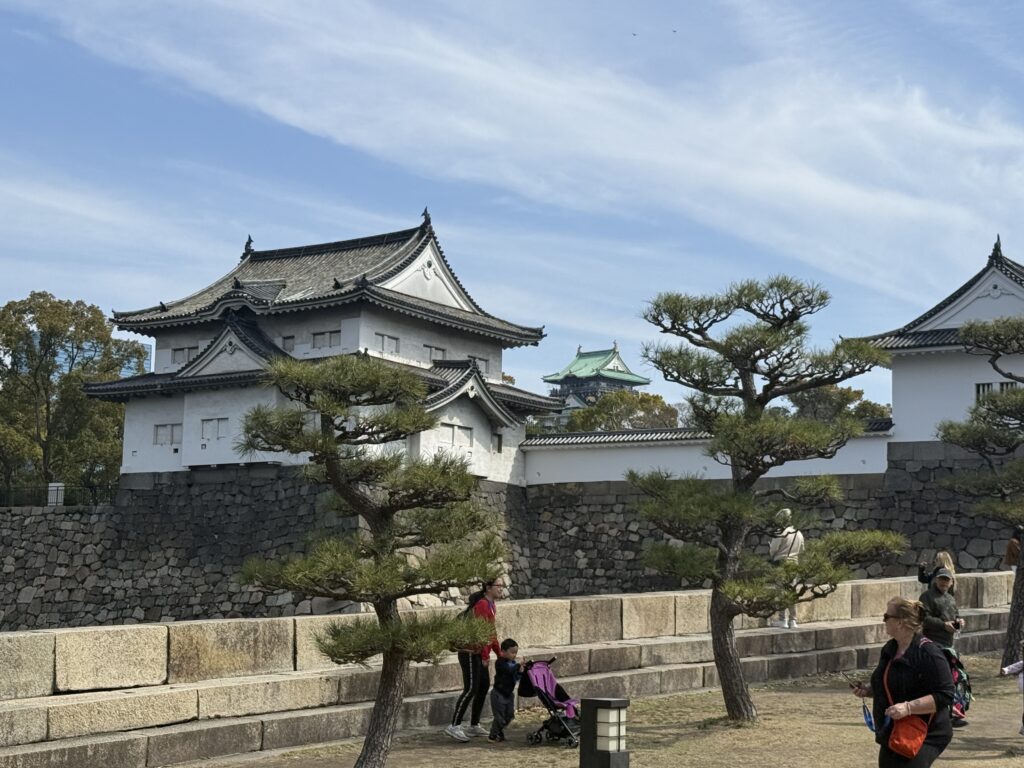
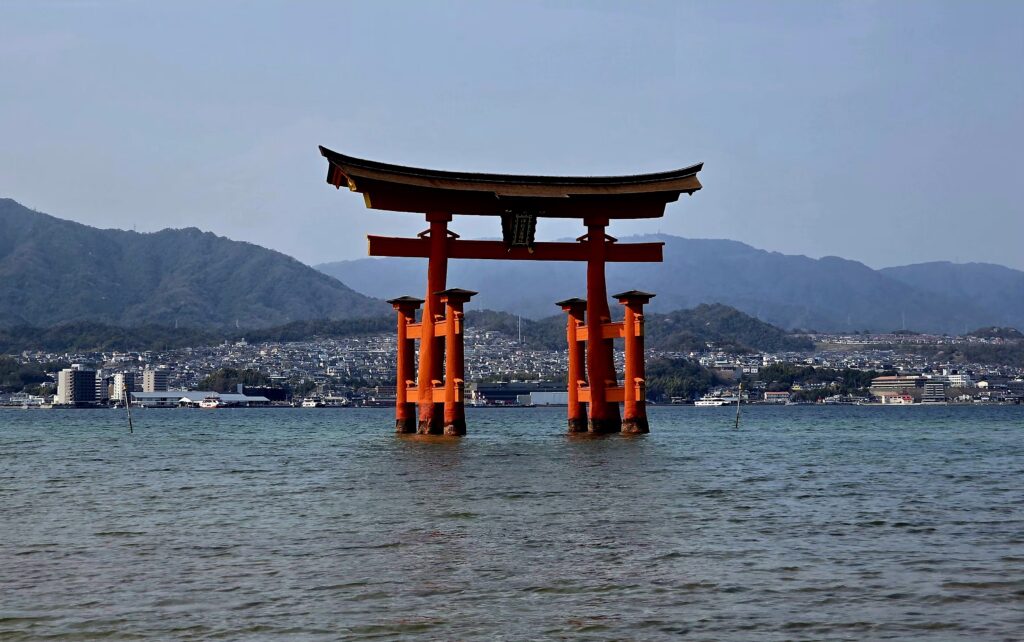
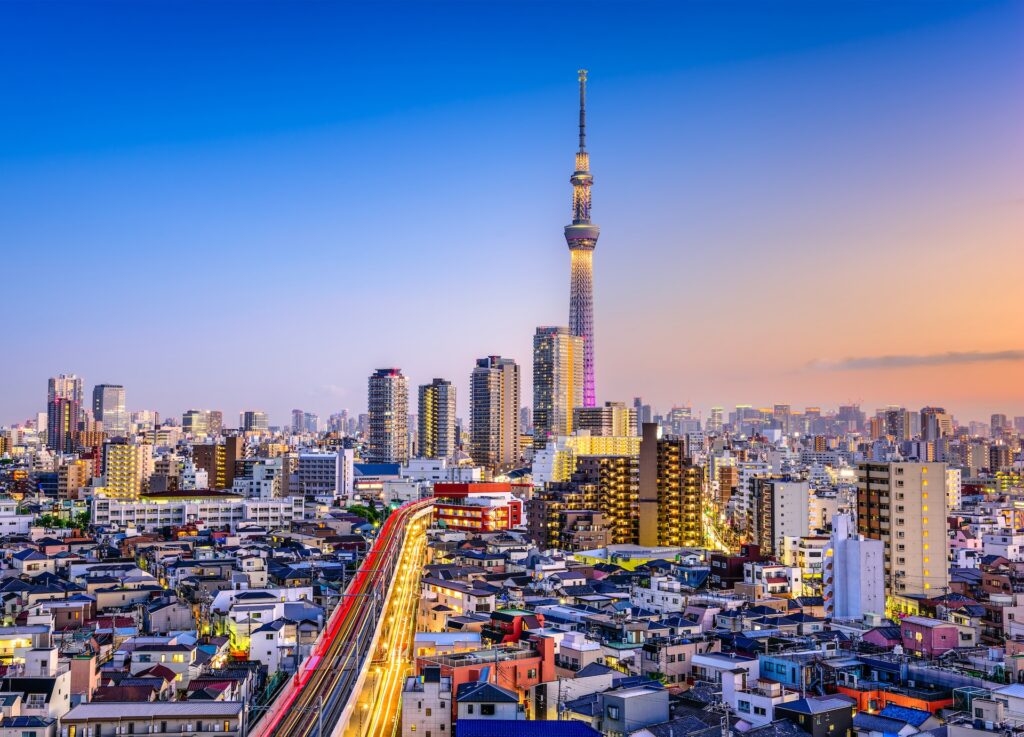
Our route created a natural progression through very different sides of Japan.
Osaka to Koyasan to Hiroshima to Miyajima Island to Kyoto to Hakone to Tokyo.
What made this route especially strong was the balance. It combined major cities with quieter, more reflective destinations, and layered in history, food, culture, and nature in a way that never felt repetitive.
Just as you adjusted to one environment, the next location would shift the pace or atmosphere. That contrast kept the experience engaging from beginning to end.
Osaka Where It All Starts to Click
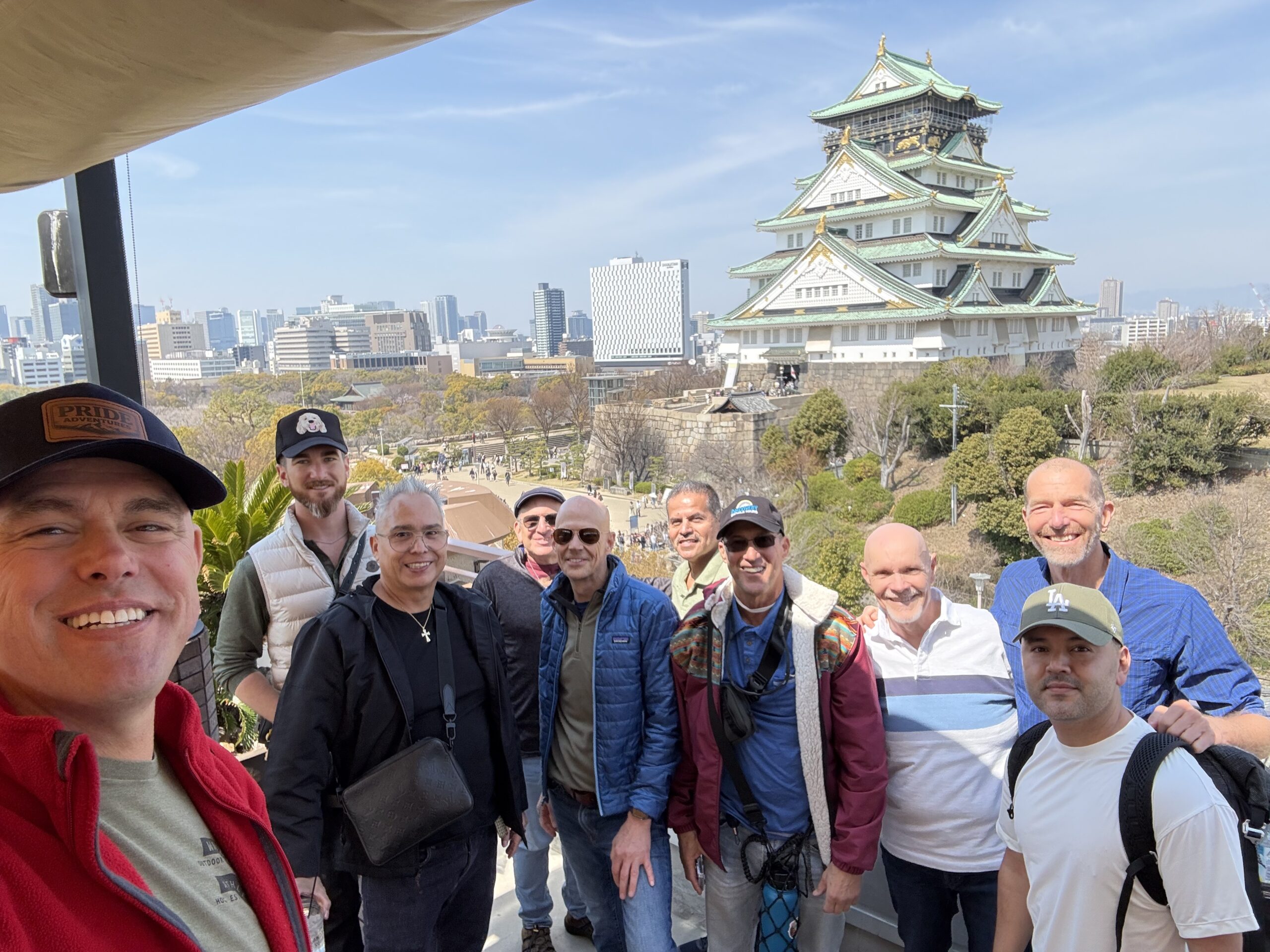
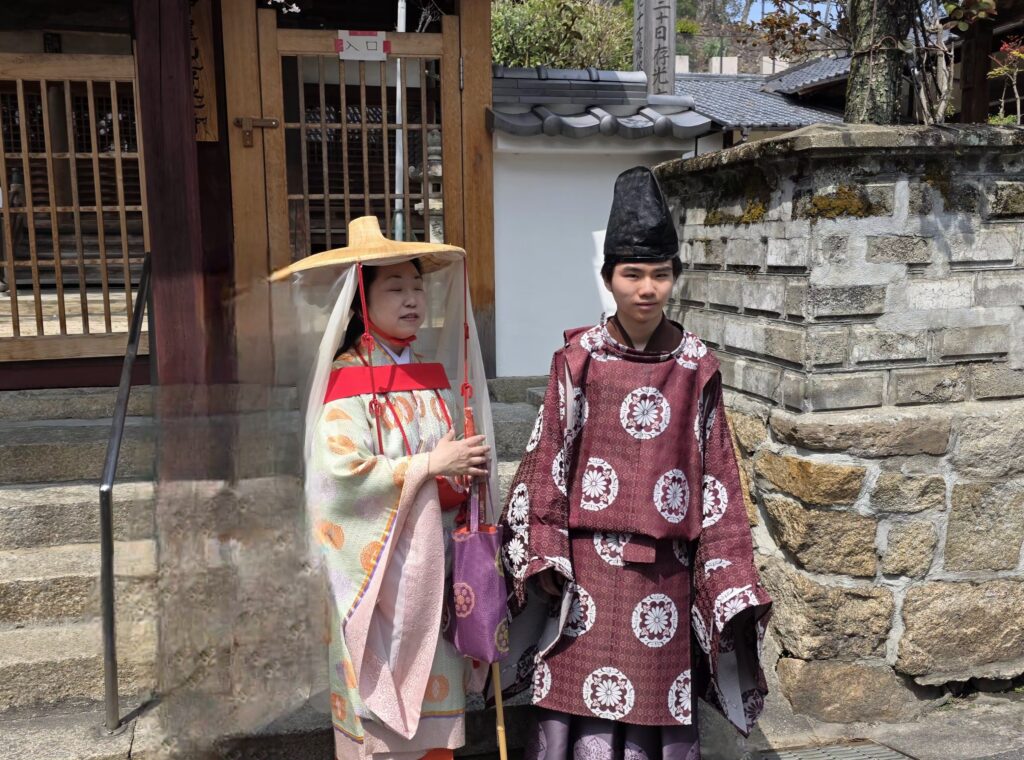
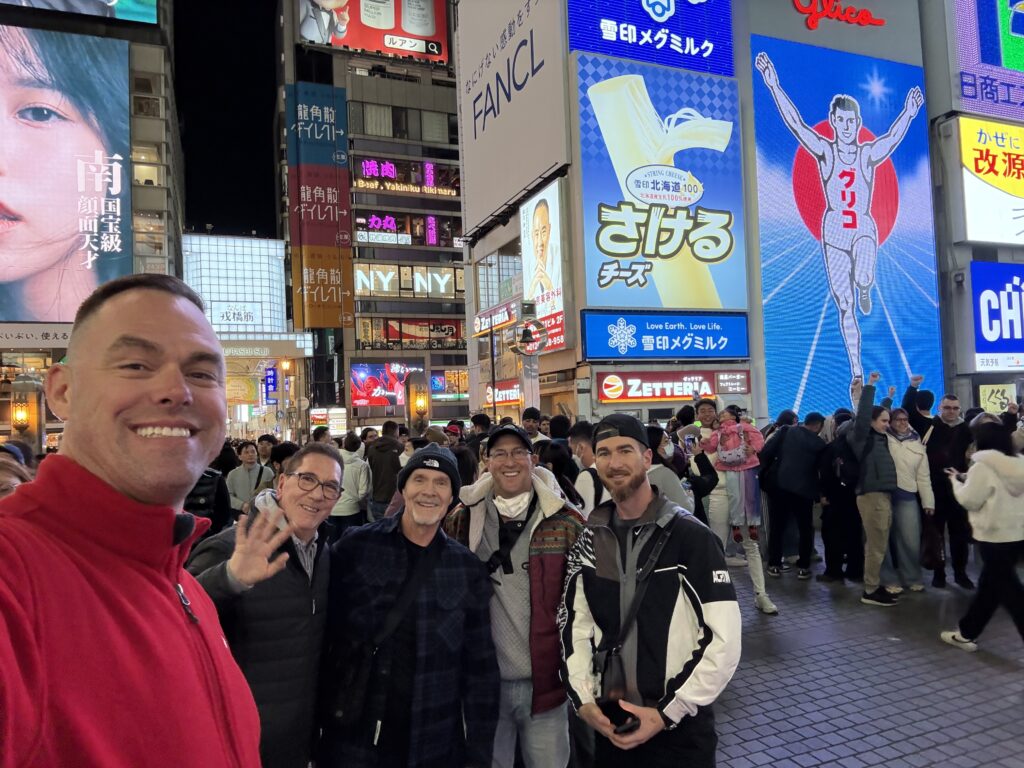
Osaka is an ideal entry point into Japan because it immediately pulls you in.
Dotonbori at night feels like stepping into a completely different world. Bright lights reflect off the canal, crowds move in every direction, and the smell of street food fills the air. It is high energy and immersive from the very beginning.
This is also where we started to relax our grip on planning. Some of the best experiences came from simply walking into a place that looked interesting and seeing what happened next.
“I thought I came for Japan, but honestly, that first night in Osaka is when the trip really started to feel real. It was just fun from the start.”
Osaka is also where we had some of our most fun nightlife experiences. Visiting places like Obake and PpSide for karaoke added a completely different side to the trip. These spaces felt welcoming, playful, and full of personality.
Being there as part of an LGBTQ+ group trip added to that energy. Walking into these spaces together created an immediate sense of connection that is hard to replicate when traveling alone.
Food Is Not Just Part of the Trip It Is Part of the Experience
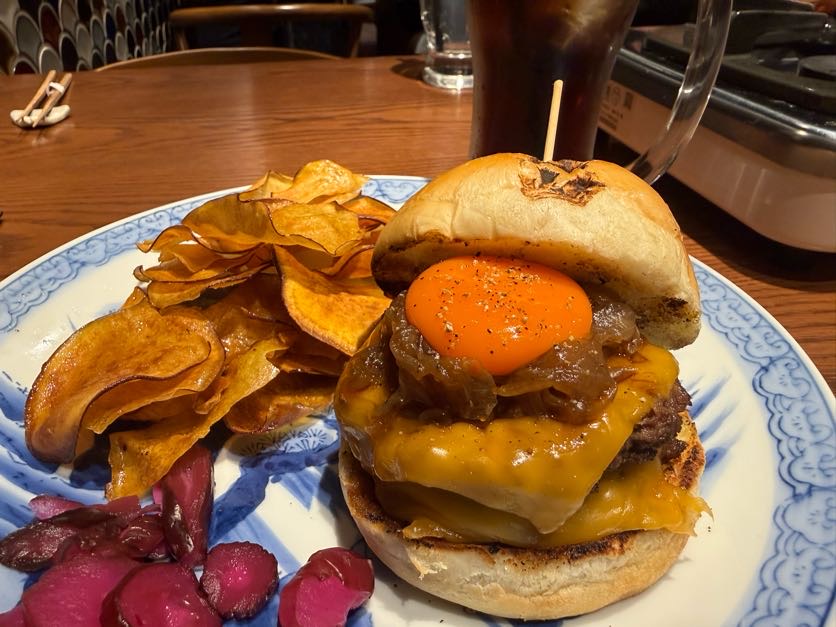
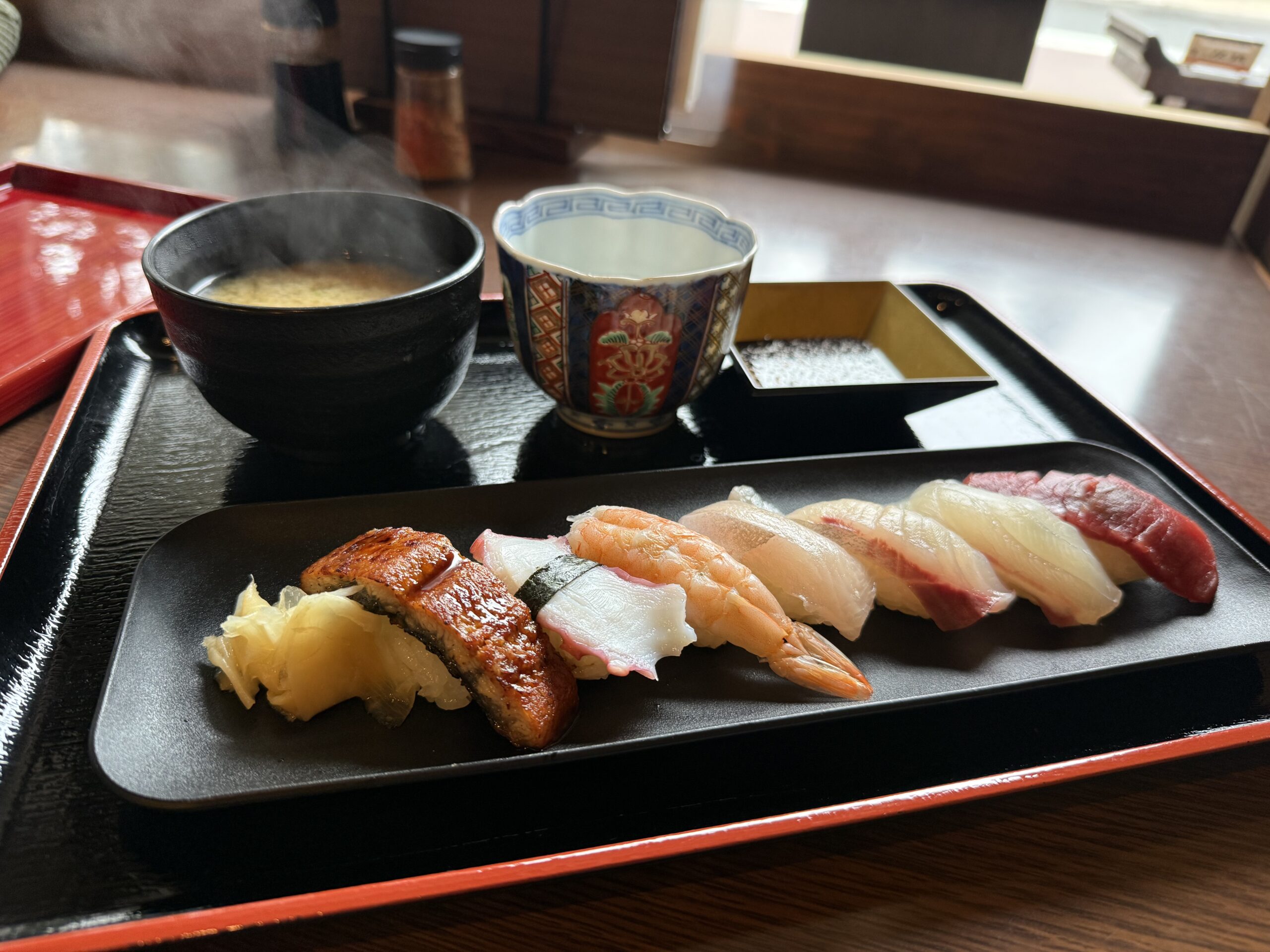
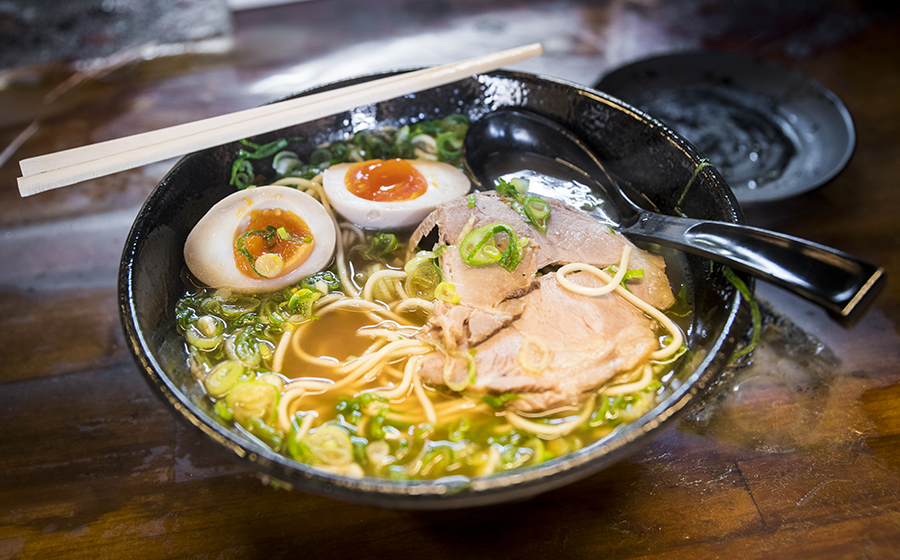
One of the things that stood out most throughout the journey was how central food became to the experience.
Meals were not just something planned between activities. They became part of the rhythm of each day.
Some of the most memorable moments happened around food. Sitting in small local spots, watching meals prepared right in front of us, or gathering together after a full day of exploring.
Osaka set the tone early. Known as the food capital of Japan, it encouraged us to follow our curiosity. Street food like takoyaki and okonomiyaki was everywhere, and some of the best meals came from places we had not planned at all.
As the trip continued, food kept showing up in different ways.
- Quick ramen stops between train rides
- Late night meals after exploring nightlife
- Shared dinners that became the highlight of the day
- Small local spots that felt completely authentic
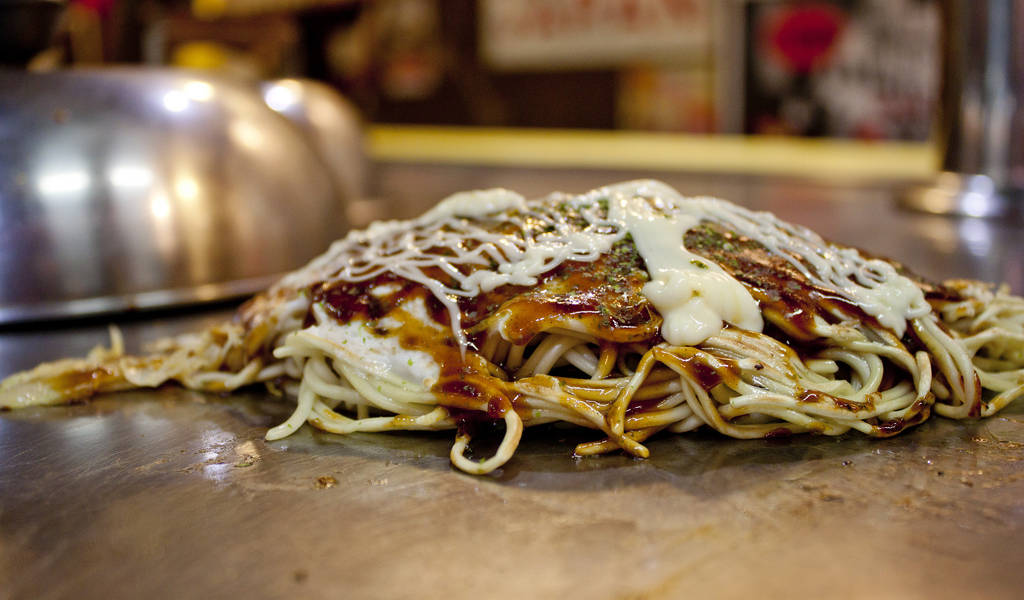
Hiroshima was a standout, especially for the experience of sitting around the grill for okonomiyaki and sharing that moment together.
Traveling as part of an LGBTQ+ group added another layer. Meals became connection points. They were where stories were shared, friendships formed, and the day came together.
“Some of my favorite moments weren’t even planned. They were just us sitting around a table after a long day, sharing food and laughing about everything we experienced.”
Koyasan Slowing Down and Resetting
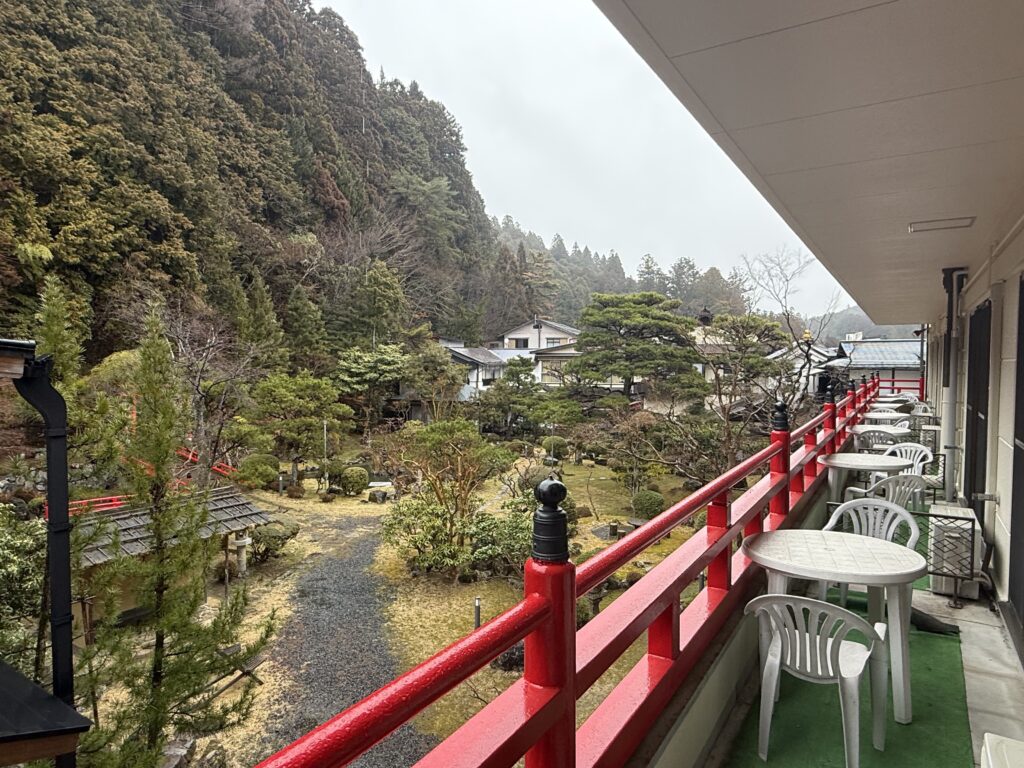
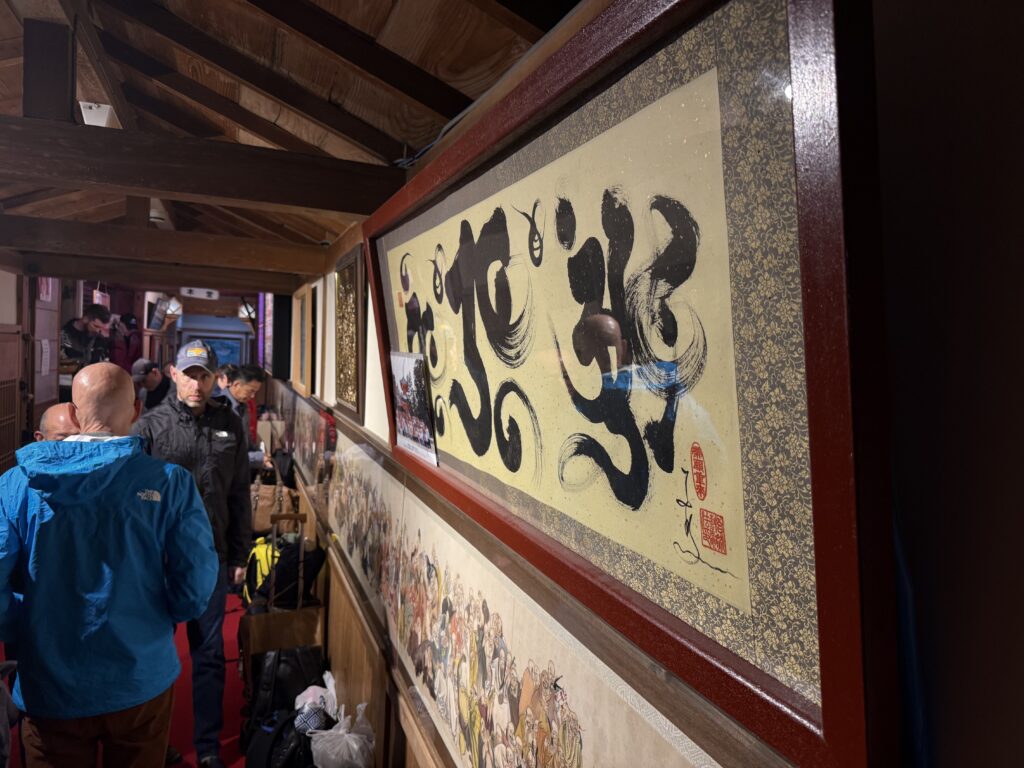
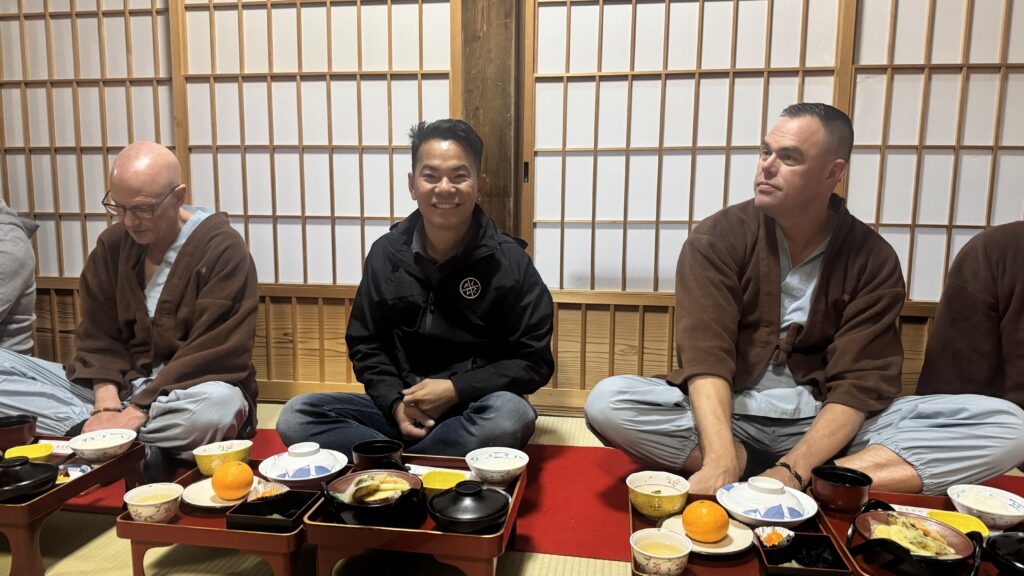
Leaving Osaka for Koyasan feels like stepping into another world entirely.
The transition is immediate. The energy fades, the crowds disappear, and you are surrounded by forest, temples, and stillness.
Staying overnight in a temple adds depth to the experience. The accommodations are simple but comfortable, and the rhythm of the stay feels grounded.
Walking through Okunoin Cemetery was one of the most memorable parts of the journey. It is quiet, atmospheric, and gives you space to slow down and take everything in.
Hiroshima and Miyajima Reflection and Contrast
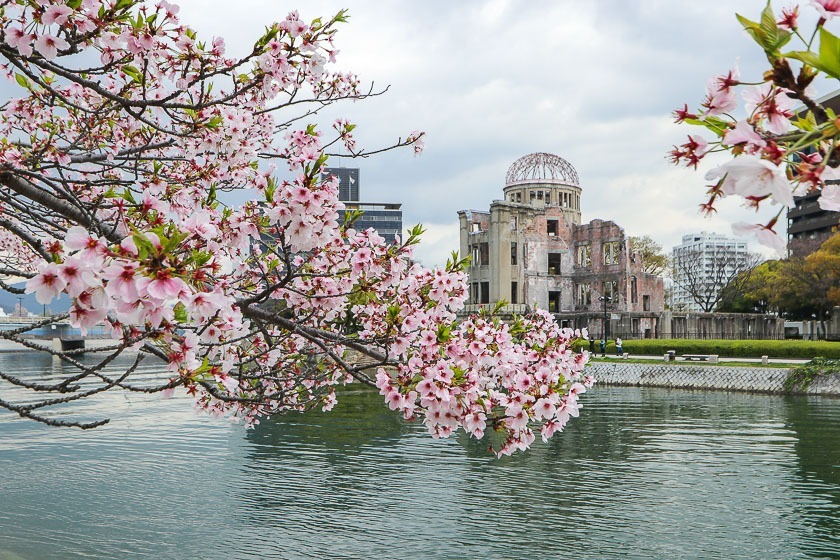
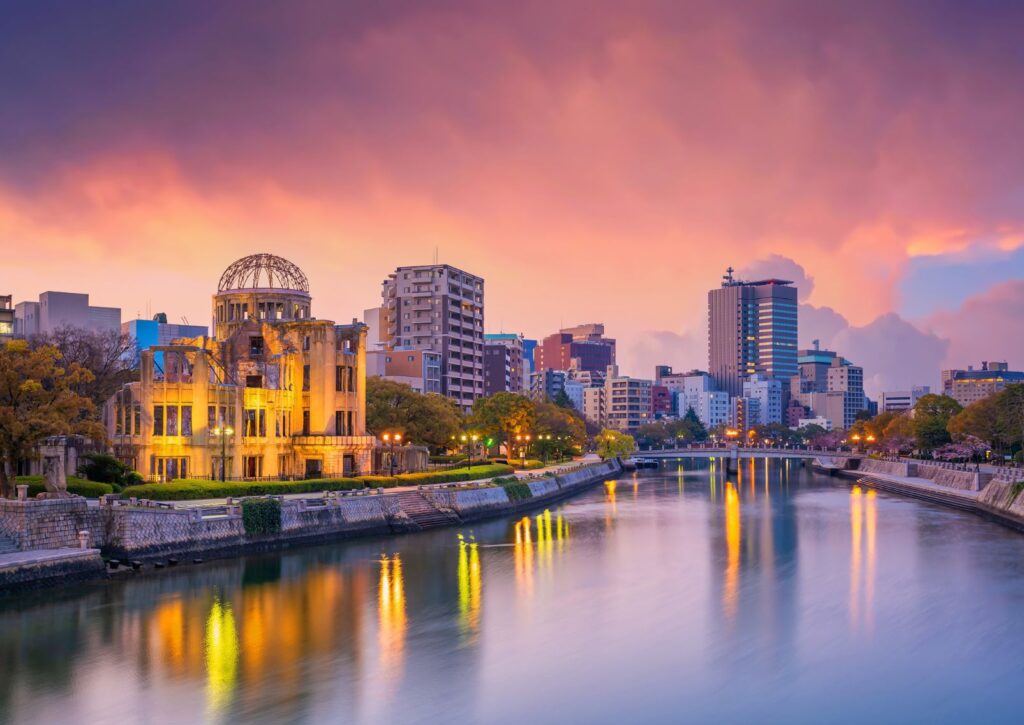
Hiroshima brings a level of reflection that naturally shifts the tone of the trip.
Walking through the Peace Memorial Park creates a moment where everything slows down. It is powerful and grounding.
At the same time, the city itself feels vibrant and welcoming. That contrast is what makes it so memorable.
Miyajima Island adds another layer with its coastal setting and the iconic torii gate, creating one of those moments that feels just as special in person as it looks in photos.
Kyoto How You Experience It Matters
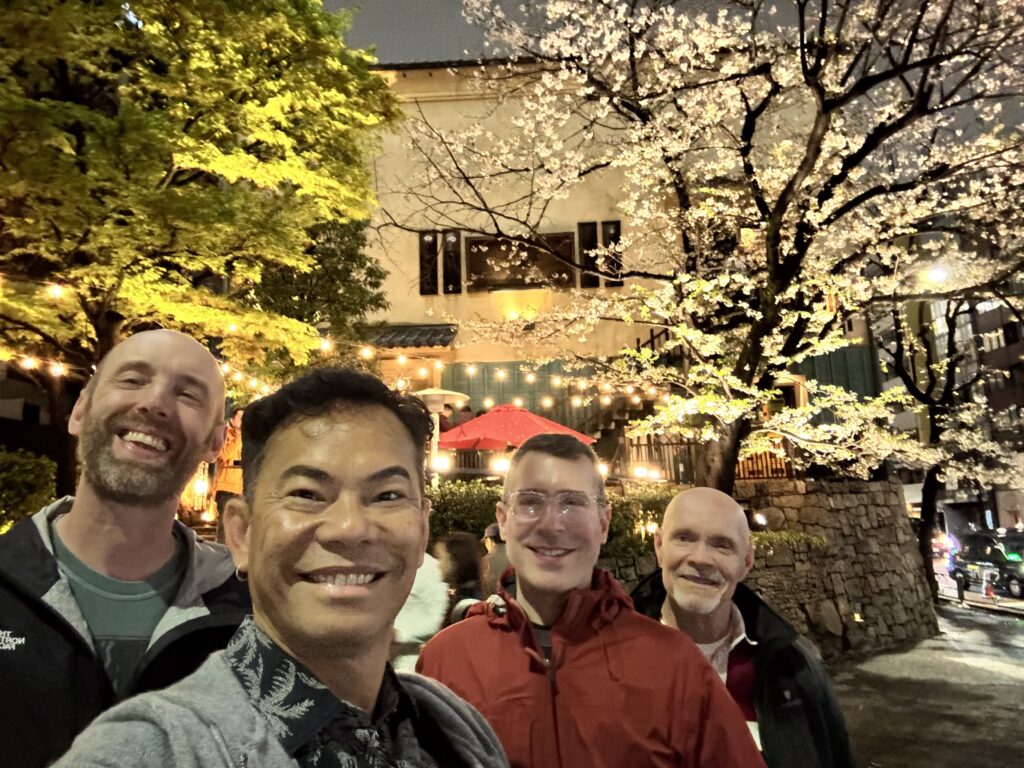
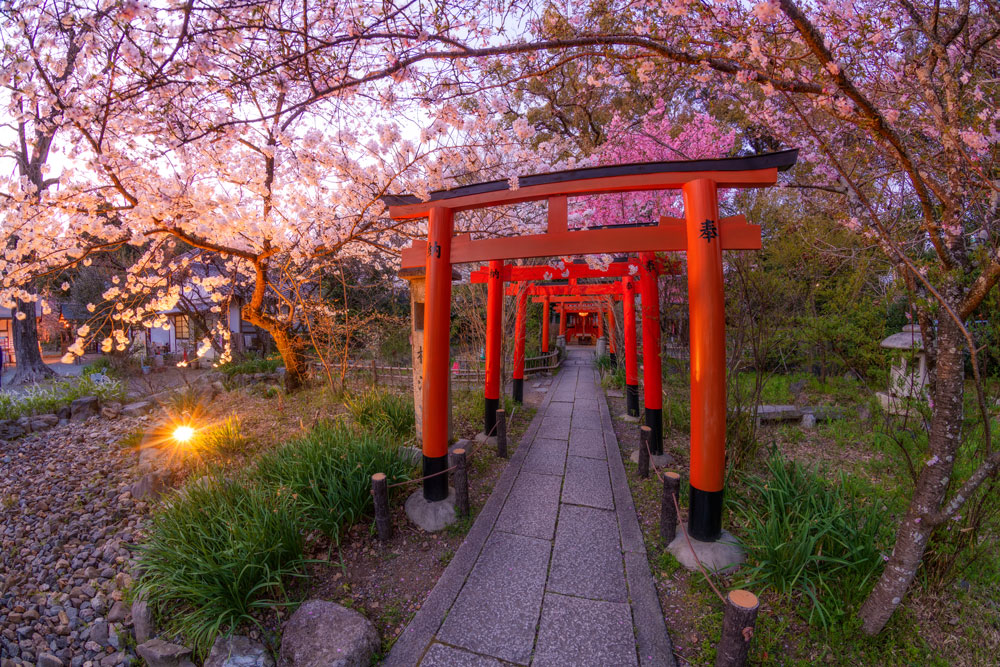
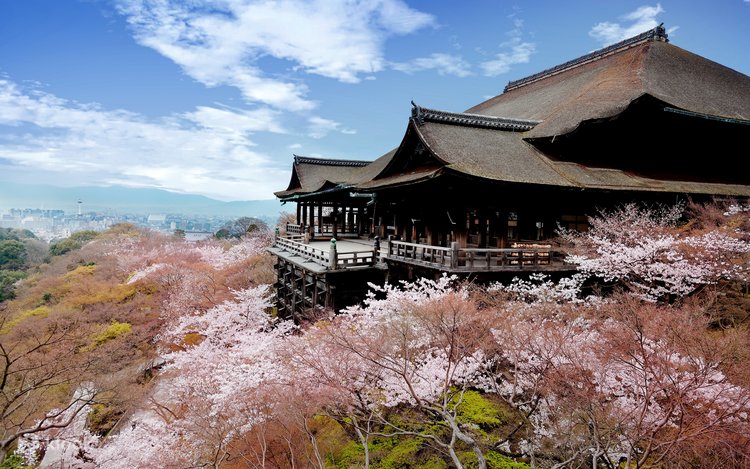
Kyoto is one of the most iconic destinations in Japan, but it is also one of the easiest places to feel overwhelmed.
What made the difference for us was timing and focus.
Starting early in the morning completely changed the experience. Places like Fushimi Inari felt calm and immersive before the crowds arrived. By midday, the same locations felt completely different.
Focusing on fewer places with more time made the experience far more enjoyable.
We also experienced LGBTQ+ nightlife here at a small local bar called Apple. It was intimate, welcoming, and had a completely different feel from Osaka, showing another side of Japan’s queer scene.
Japan Is Busy Right Now But That Is Part of the Energy
Japan is incredibly popular right now, and we felt that firsthand.
We were there during a record setting period for tourism, and there were definitely moments where you could feel the crowds, especially in places like Dotonbori in Osaka, Fushimi Inari in Kyoto, and Shibuya and Shinjuku in Tokyo.
At the same time, that energy is part of what makes those places exciting.
The biggest takeaway was simple. Timing matters. Starting early in the day completely changes the experience. A place that feels packed by midday can feel calm and almost quiet in the early morning.
This became one of the most practical strategies for the entire trip.
Hakone A Reset Before Tokyo
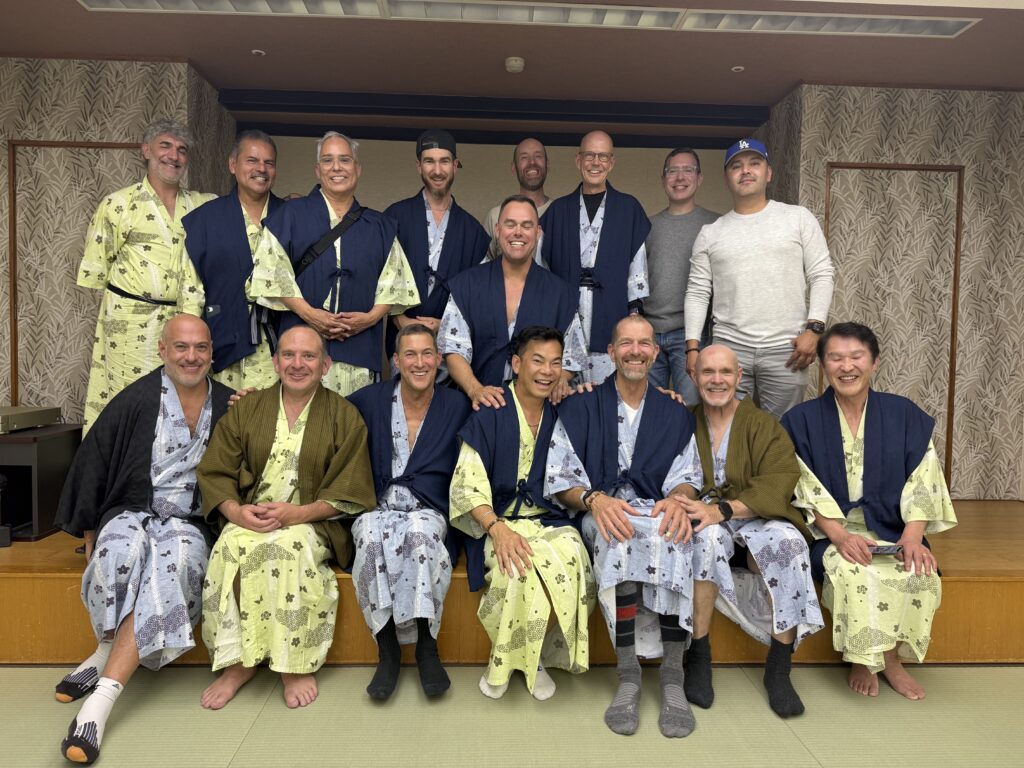
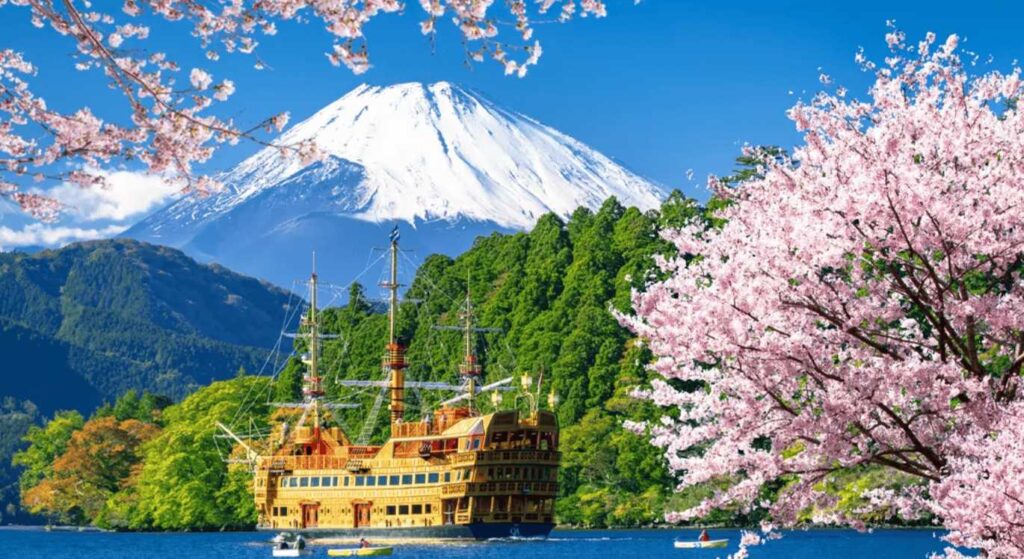
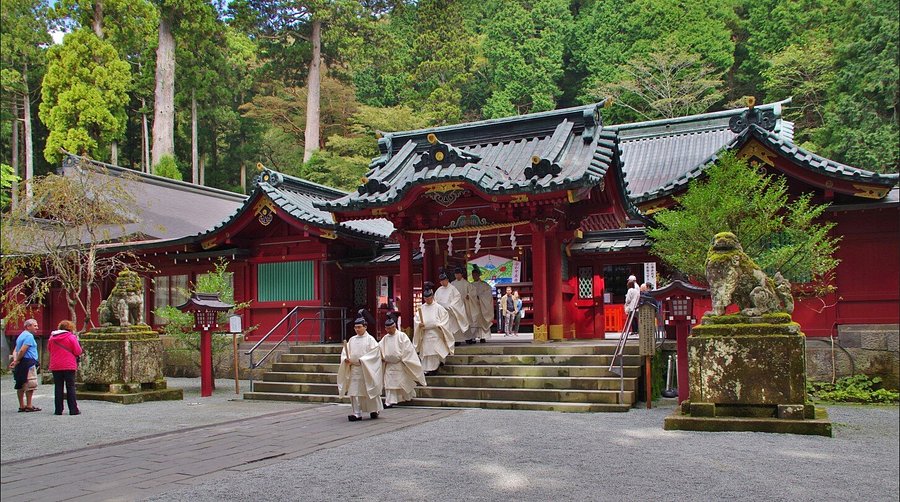
Hakone arrives at just the right moment.
After several active days, it offers a chance to reset. Whether through nature, hot springs, or simply a quieter pace, it helps balance the overall journey.
Tokyo A City That Keeps Unfolding
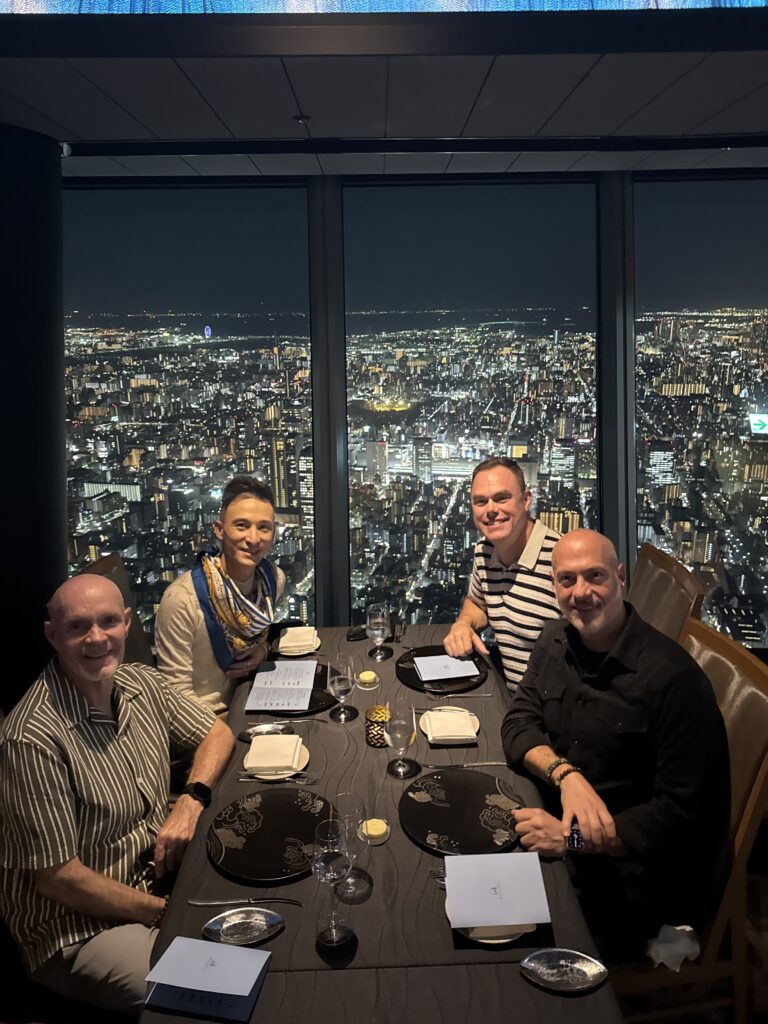
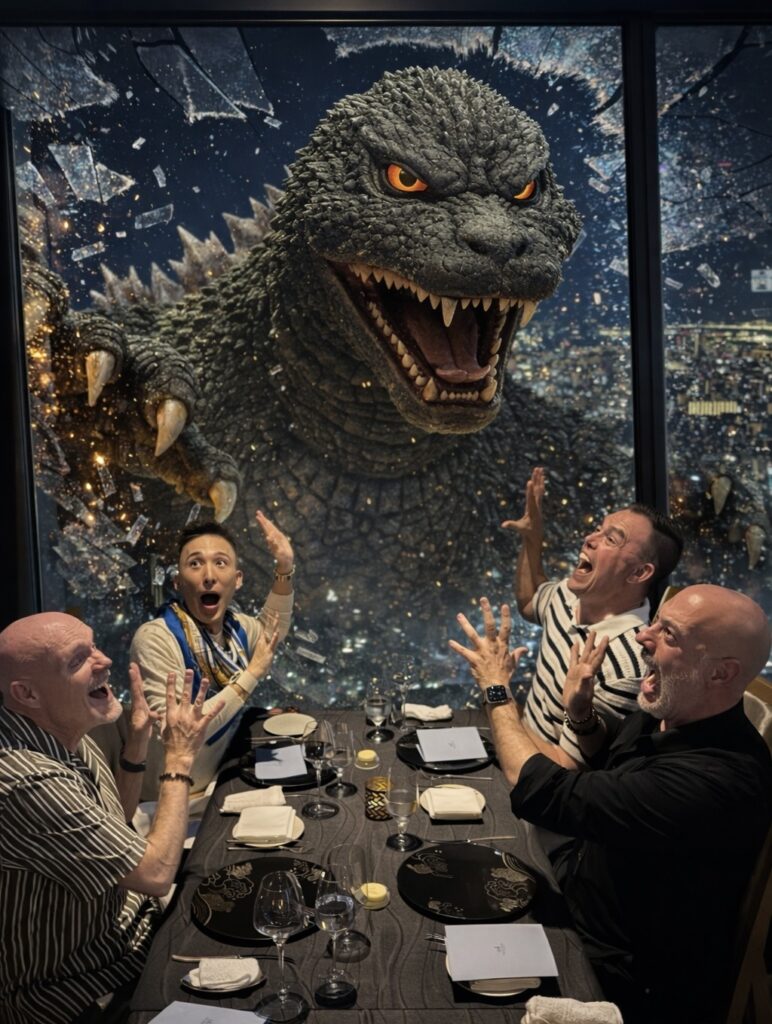
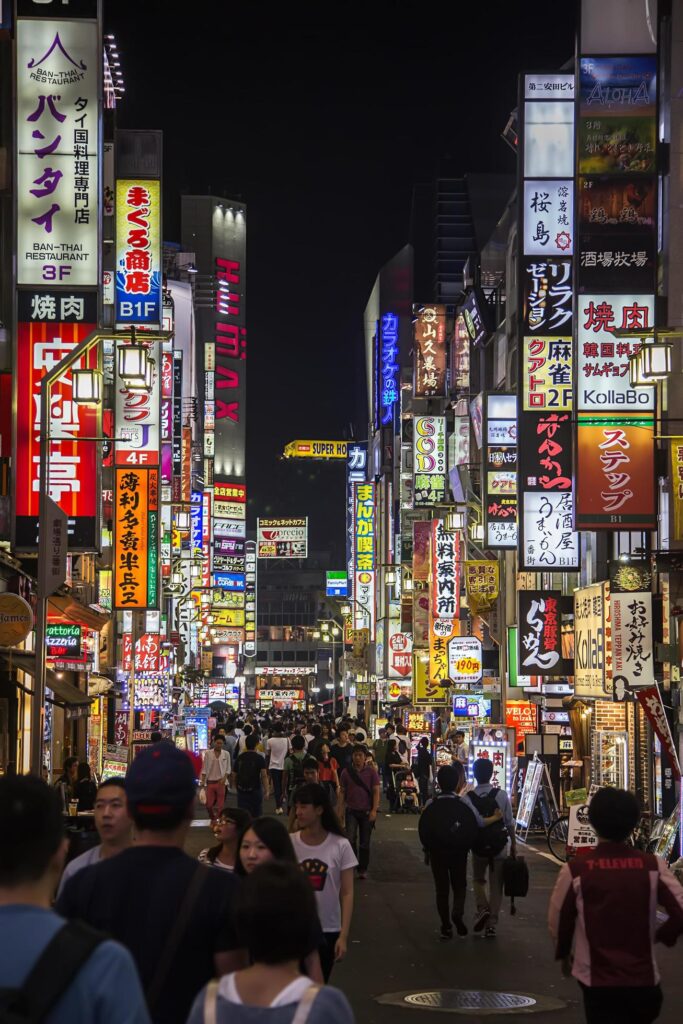
Tokyo feels like multiple cities layered into one.
From Shibuya Crossing to quieter neighborhoods, every area offers something different.
We explored LGBTQ+ nightlife here as well, visiting places like Campy Bar, KingDom, The Eagle Blue, and Dragon Men. These smaller venues each had their own personality and energy, and together they created a diverse and welcoming experience.
LGBTQ+ Travel in Japan What to Expect
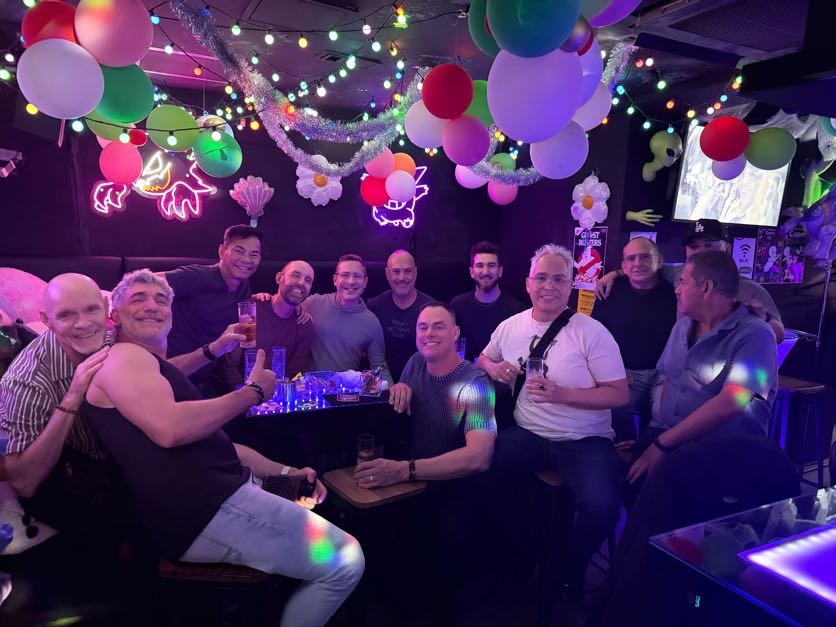
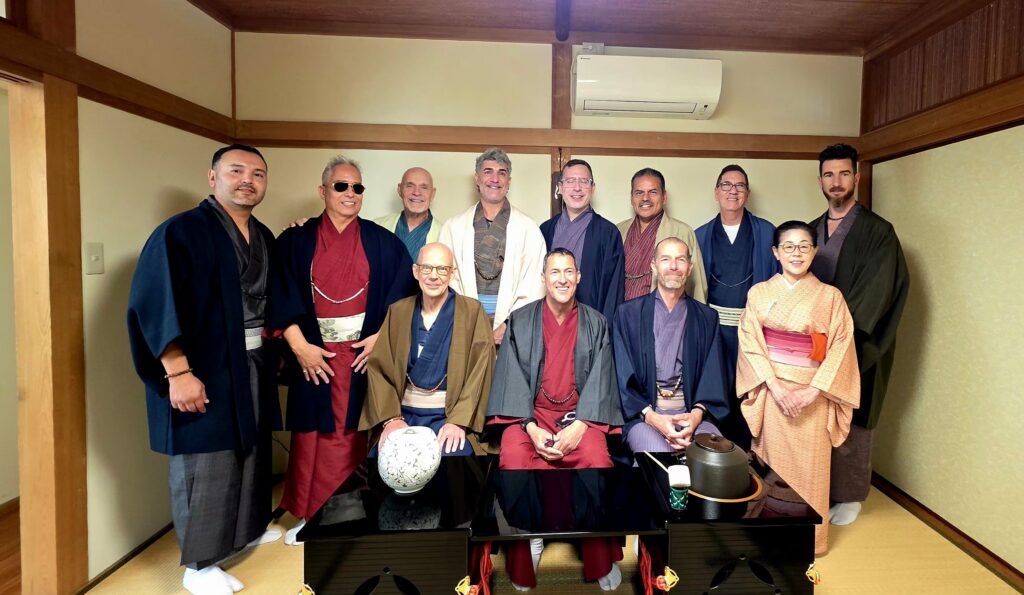
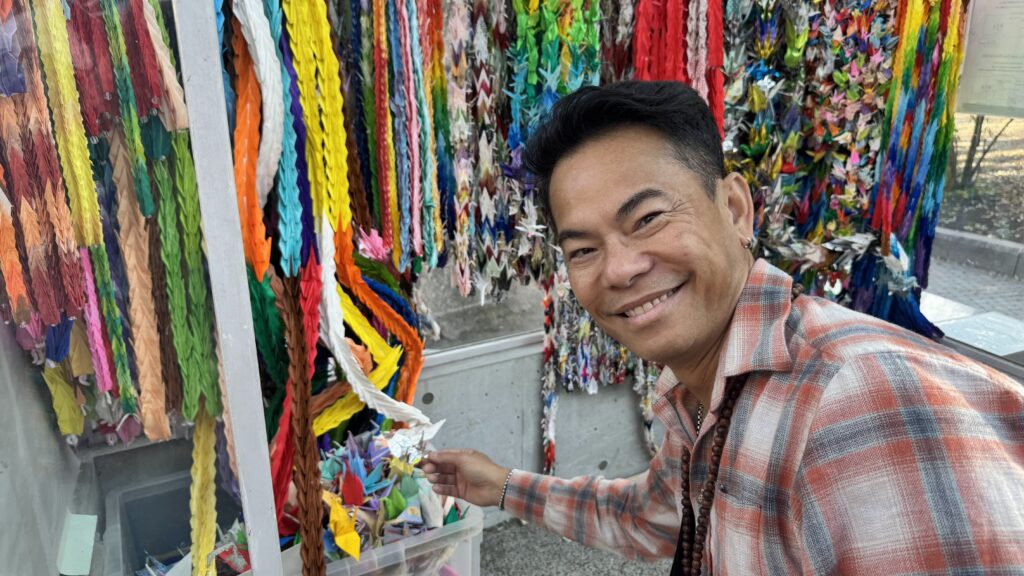
Japan may not be as outwardly expressive as some destinations, but it can still be a very comfortable and rewarding place to travel as an LGBTQ+ visitor.
In larger cities like Tokyo and Osaka, there are established LGBTQ+ areas and nightlife scenes. Neighborhoods like Shinjuku Ni-chōme are filled with small bars, each offering its own atmosphere and personality.
What stood out most was the diversity of experiences. No two places felt the same. Some were social and lively, others more relaxed and conversational.
A few things to keep in mind:
- Japan tends to be more reserved in public spaces
- LGBTQ+ venues are often smaller and more intimate
- Respect for local culture goes a long way
Traveling as part of a group created an added sense of comfort and connection, especially when exploring nightlife and social spaces.
Overall, Japan felt safe, welcoming, and deeply enjoyable from an LGBTQ+ perspective.
A Different Perspective Extending the Trip
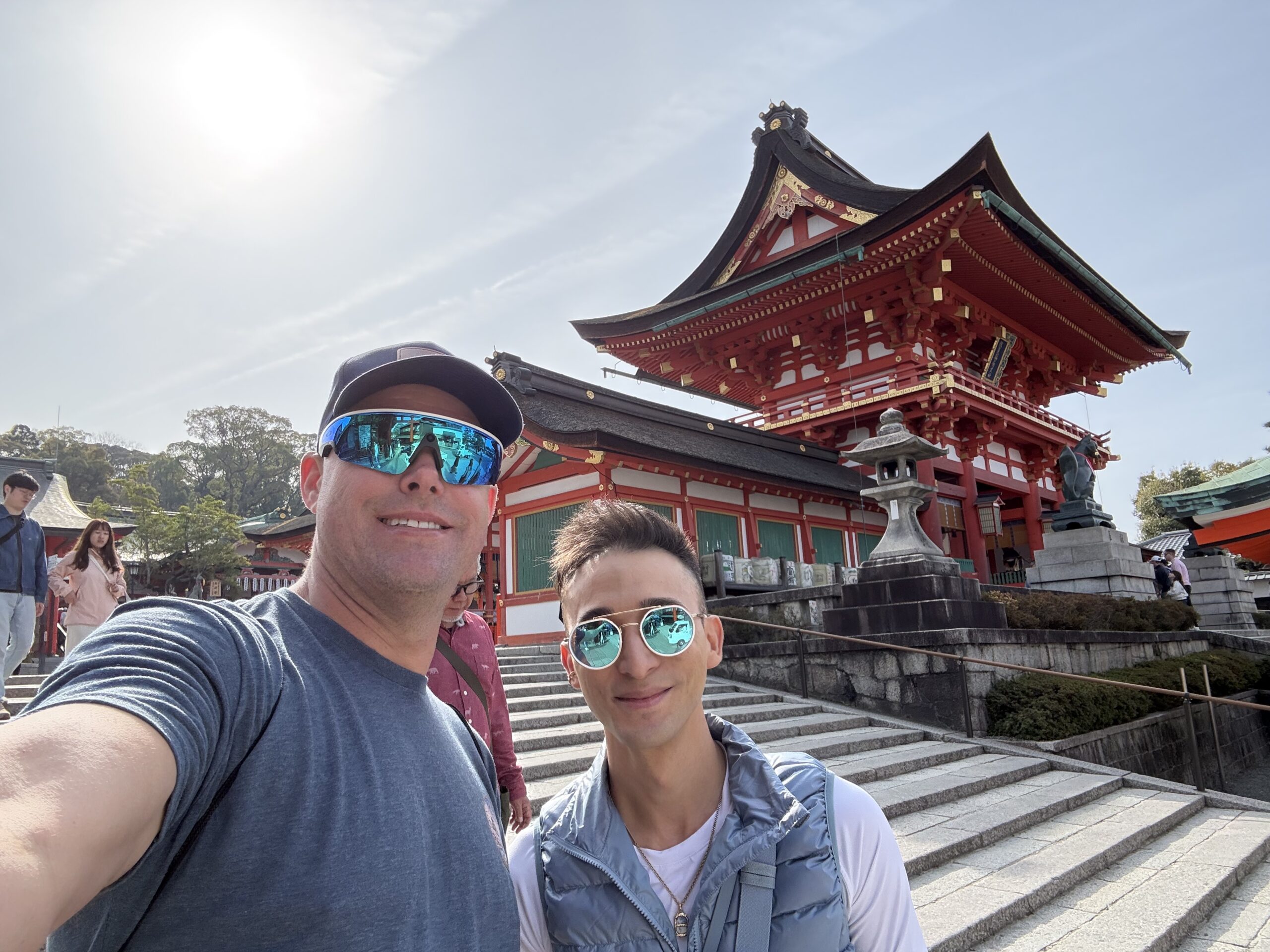
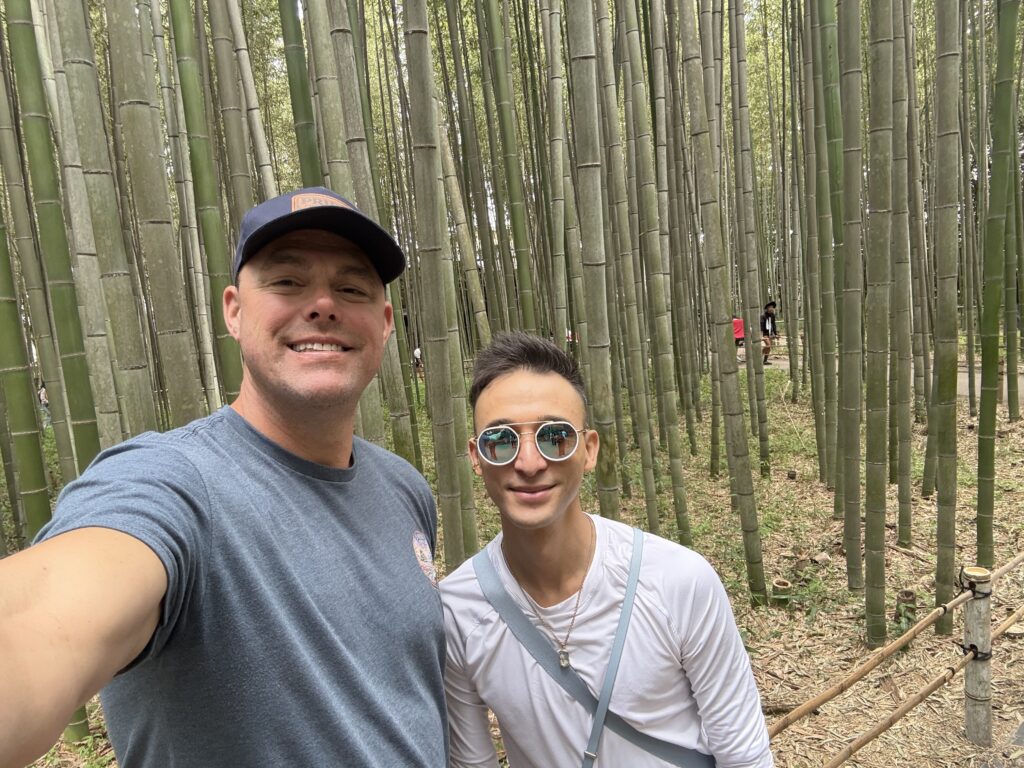
After the group trip, my husband CK joined me and we experienced Japan in a different way.
We spent time in Tokyo at Hotel Groove Shinjuku, returned to Kyoto as a couple, and finished in Osaka at W Osaka.
The pace shifted. We focused on one main activity each day, spent more time enjoying the hotels, and explored more casually.
Both styles worked well. It just depends on the experience you are looking for.
What Stands Out After 22 Days in Japan
Japan is far more accessible than it might seem at first.
Food becomes part of the journey. Movement becomes intuitive. And the experience is shaped just as much by how you travel and who you travel with as it is by where you go.
Thinking About Your Own Trip
There is no single right way to experience Japan.
You can travel independently or as part of a group, and both offer something different.
We have done both, and there is real value in each.
We are already looking ahead to our next Japan trip and are excited to return. View our upcoming LGBTQ+ group trips to see what adventures are on the horizon.
Final Thoughts
Japan has a way of staying with you.
Not just because of what you see, but because of how the journey unfolds.
“It’s hard to explain, but Japan just sticks with you. I already know I’ll be back.”
Frequently Asked Questions About Traveling to Japan
Is Japan a good destination for first time international travelers?
Yes. Japan is safe, organized, and easier to navigate than many travelers expect.
How many days do you need for a trip to Japan?
For most travelers, 10 to 14 days is the sweet spot. Our group trip was nine full days, with many travelers adding time before or after. Our full 22 day journey was longer than most people typically have time for.
What is the best route for a first trip to Japan?
A mix of cities, culture, and nature works best. A route like Osaka, Kyoto, Hiroshima, and Tokyo offers a well rounded experience.
Is Japan expensive to visit?
It depends on your travel style. Japan can be flexible depending on hotel choices and activities.
Is Japan good for group travel?
Yes. Group travel simplifies logistics and adds a strong social element.
Can you travel to Japan on your own?
Absolutely. Japan is very doable independently.
What is the best time of year to visit Japan?
Spring and fall are the most popular, but each season offers something unique.
Is Japan LGBTQ+ friendly?
Japan is generally safe and welcoming, especially in major cities.
Do you need to know Japanese to travel in Japan?
No. Translation tools and signage make it manageable.
Should you spend more on hotels in Japan?
That depends on your style. Smaller hotels work well for active trips, while higher end hotels offer more comfort.
